
Knowledge › Style
Style
Easy signature ideas: how to make a simple signature that still looks good
You don't need beautiful handwriting or weeks of practice. Five simple formulas, a five-minute method and a few examples, so you end up with a signature that's easy to write and still looks polished.
Plenty of people put off a new signature because they think a good one needs beautiful handwriting, lots of loops and endless practice. In fact most signatures that look good are surprisingly simple: a few confident strokes, a recognisable first letter and an ending that always runs out the same way. The secret of an easy signature isn't fewer letters, it's fewer decisions: one strong first letter, one simple continuation and one clean ending. Below we look at what makes a signature easy, give you five formulas to choose from, and a five-minute method you can use to make yours today. If all you need is a monogram or initials, the article on short forms helps; this one is about simplifying your full name.
What makes a signature easy?
A signature is easy when your hand writes it the same way every time, without thinking. There are four signs of that.
- Few pen lifts. Every lift is a new decision: where to put the pen down again. One or two lifts are plenty.
- One direction. The lines travel roughly one way, to the right, without doubling back.
- Few loops. Loops are pretty, but each one slows you down and drifts easily. One well-placed loop shows more than five.
- A repeating rhythm. When the small letters simplify into even waves, your hand repeats one movement instead of ten different ones.
An important difference: an easy signature is not a scribble. A scribble is different every time; an easy signature is simple but always the same. That's what makes it recognisable, and that's what makes it look polished.
The three parts of a simple signature
Almost every easy signature is built from the same three parts. Think them through one at a time and the design becomes simple too.
- 1The first letter. This is the face of the signature: the biggest, most distinctive shape. It's worth a little extra attention, because everything else lines up with it. We cover it in detail in the article on the first letter.
- 2The continuation. The rest of the name. In an easy signature this can be a few readable letters, or an even wave that shows the length and rhythm of the name.
- 3The ending. The last stroke: a short trailing line, an underline or a small upward flick. It's what makes the signature feel finished. You'll find ideas in the article on endings.
The rule is simple: the first letter can be bold, the continuation should be calm and the ending short. If all three parts are ornate, the signature becomes slow and crowded.
Five formulas to choose from
These simple formulas work with any name. Write yours in all five and notice which one comes most naturally.
- Capital + wave. A confident first letter followed by an even wavy line that shows the length of the name. It's the fastest, and it looks very self-assured.
- Two capitals, one line. The initials of your first and last name, each followed by its first few letters, joined in a single line. Two clear landmarks with a calm rhythm in between.
- Readable first name, short surname. Write your first name neatly and keep only the capital and a short trail of the surname. Friendly and personal.
- Print letters with one underline. If joined-up writing isn't your thing, write your name in simple, slightly slanted print and underline it with a single straight stroke. Clean and modern.
- One stroke. The lower curve of the first letter runs straight on and carries the whole name to the ending without lifting the pen. The most fluid option, but it takes a few days of practice.
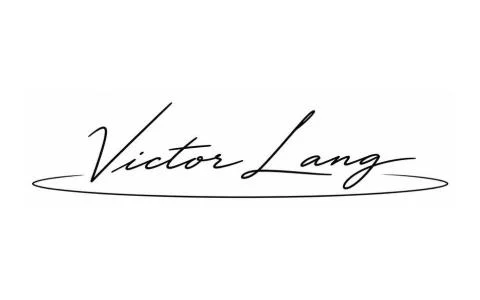

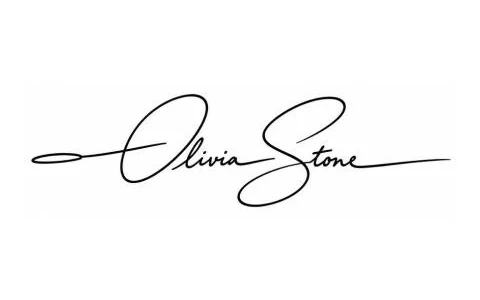
Can't decide which style suits you? The style quiz suggests one from eight questions and shows your name in it at the end.
In five minutes: the quick method
You don't need a whole afternoon. Grab a pen and a blank sheet and go through these five steps. Each takes about a minute.
- 1Write your name five times, the way you do now. Don't tidy it up. These show what your hand already does on its own.
- 2Circle the best first letter. The most confident one. It becomes the face of your signature.
- 3Cross out what slows you down. Loops in the middle of letters, separate dots, a middle name: mark whatever is harder to write every time.
- 4Pick a formula and an ending. Choose the formula that suits the first letter you circled, and a short ending to go with it.
- 5Write it ten times in a row. Quickly, without thinking. If the tenth looks like the first, you have your new signature.
What you can safely leave out
Simplifying means dropping what slows you down without adding to recognisability.
- Some of the middle letters. In the middle of a long surname the letters can blend into a wave. The eye looks at the beginning and the end anyway.
- Dots and accents. A quick tick or a short dash is enough, or you can drop them. If you keep them, always put them in the same place.
- A middle name. If you have more than one given name, one is enough in the signature. The article on middle names helps you decide which.
- Decorative loops. One loop on the first letter can look lovely. Decorative loops between letters only slow you down.
What not to leave out
A simple signature still has to work in everyday life: at the bank, on a contract, when you sign for a parcel. For that it needs three things.
- A recognisable first letter. If the first letter is readable, the whole signature connects to your name, even if the rest is just a wave.
- One distinctive element. An unusual angle, a curve, an unexpected ending. Anyone can copy a straight line; a distinctive element is harder. We go into this in the article on protecting your signature.
- Always the same. A simple signature gets its strength from looking the same on every page. That matters more than how readable it is.
Simple but not boring: three small tricks
A few small decisions turn a simple signature into a polished one. None of them is hard, and none of them slows you down.
- 1A slight slant to the right. A little slant adds movement, and even the simplest form looks more lively. Just keep it the same every time.
- 2Contrast in size. A tall first letter next to a low, calm continuation: that difference gives the signature its character.
- 3An ending that rises. When the last stroke runs out slightly upwards, the signature looks open and confident.
Fewer strokes, the same movement every time: that's what makes a simple signature beautiful.
An example
For years Ben Taylor's signature was his full name in handwriting, every letter included. It was slow, and it came out slightly differently every time. Using the five-minute method he picked his best "T": a tall straight stem and a wide crossbar. He kept it, simplified the rest of "Taylor" into a short wave, and kept only the "B" of "Ben" in front, with a short upward ending. On the first day he still had to think about it; by the third his hand wrote it on its own, and his signature looked the same week after week.
He didn't have the nicest handwriting in his class, and he didn't practise for weeks. He simply had fewer decisions to make every time he signed.
Common mistakes and how to fix them
- It got too simple. A straight line or a dot isn't a signature, and anyone can copy it. Fix: keep a recognisable first letter and one distinctive element.
- It comes out differently every time. If every signature is different, it isn't simple, it's a scribble. Fix: fewer parts, and write the same thing ten times in a row.
- You kept too much decoration. The "easy" signature still has five loops. Fix: keep one loop, on the first letter.
- It doesn't suit your hand. You picked an example your hand just can't write. Fix: start from your own first letter, not from someone else's shape.
Once you have your new signature, the article on practising shows how it can settle into your hand in a few days.
A checklist for your simple signature
- Two pen lifts at most? If there are more, look for a part you can join up.
- A recognisable first letter? Would someone who knows you recognise it?
- One distinctive element? A curve, an angle, an ending that's only yours.
- The same ten times in a row? If so, you're done.
- Does it work in a small space? Try it in a small box too; if needed, the article on signing in small spaces helps.
If you'd like to see your name in a few simple, finished forms, pick a style in Calligra, the AI draws your signature in it, and you can learn it step by step. The whole design process is covered in the article on creating your own signature.
The one sentence worth taking away
An easy signature doesn't need beautiful handwriting: choose one strong first letter, simplify the rest into a calm rhythm, end it briefly, and write it the same way every time.
Questions
How do I make an easy signature?
Write your name five times, circle the best first letter, drop what slows you down (loops, dots, a middle name), pick a simple formula and a short ending, then write it ten times in a row. If the tenth looks like the first, you have it.
Isn't a capital and a wave too simple?
Not if the first letter is recognisable and the signature has one distinctive element. A straight line or a dot, on the other hand, is too little, because anyone could copy it.
Do I need nice handwriting for a nice signature?
No. Most signatures that look good are made of a few simple, confident strokes. What makes them beautiful is that the shape is always the same, not lots of decoration.
How long does it take to get used to a new, simple signature?
A simple form usually settles in a few days if you practise a few minutes a day. The fewer parts it has, the faster it goes.
Can I use a simple signature on official documents?
That always depends on the institution's rules. Generally what matters is that your signature is consistent and matches the one on your ID or at your bank.
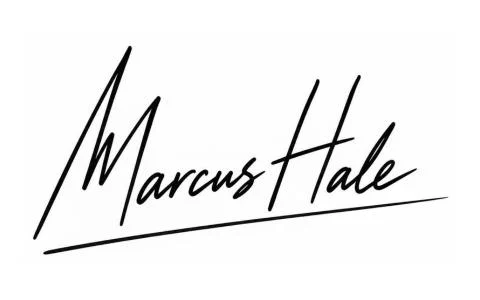
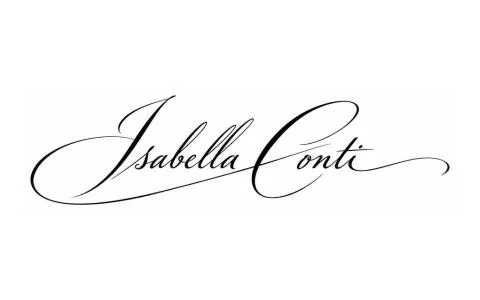
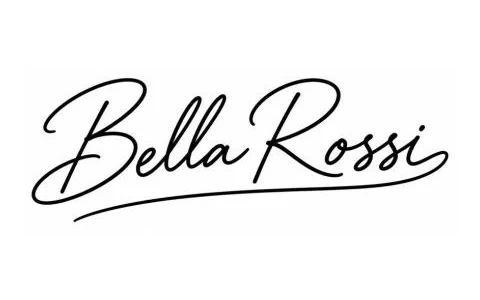
Try it with your own name
Read these too
Knowledge Style
Cute and cool signature ideas: girly, boyish and minimal styles
Round letters and little loops, sharp angles and fast strokes, or all lowercase with a fine pen. 17 signature ideas by vibe, plus what to leave off when you sign something official.
 Style
How to improve your signature: 7 small changes that make it look better
You don't need a new signature for it to look better. Seven small changes to the capital, the slant, the proportions and the ending make your old signature tidier, while it stays recognisably yours.
 Style
Old money signature: what makes a signature look expensive?
What does a “rich” signature look like? Not more ornament, but less. The six marks, a quick five-question test of how old money yours is, and a plan to get yours there without losing your movement.