
Knowledge › Name change
Name change
Which name do you sign at your wedding? Register, prenup and witnesses
Several signatures await you around the wedding: when you give notice, on a prenuptial agreement, at the ceremony and perhaps in church. Here's which name goes where, why it's usually still your current one, and how to prepare so your hand is calm at the big moment.
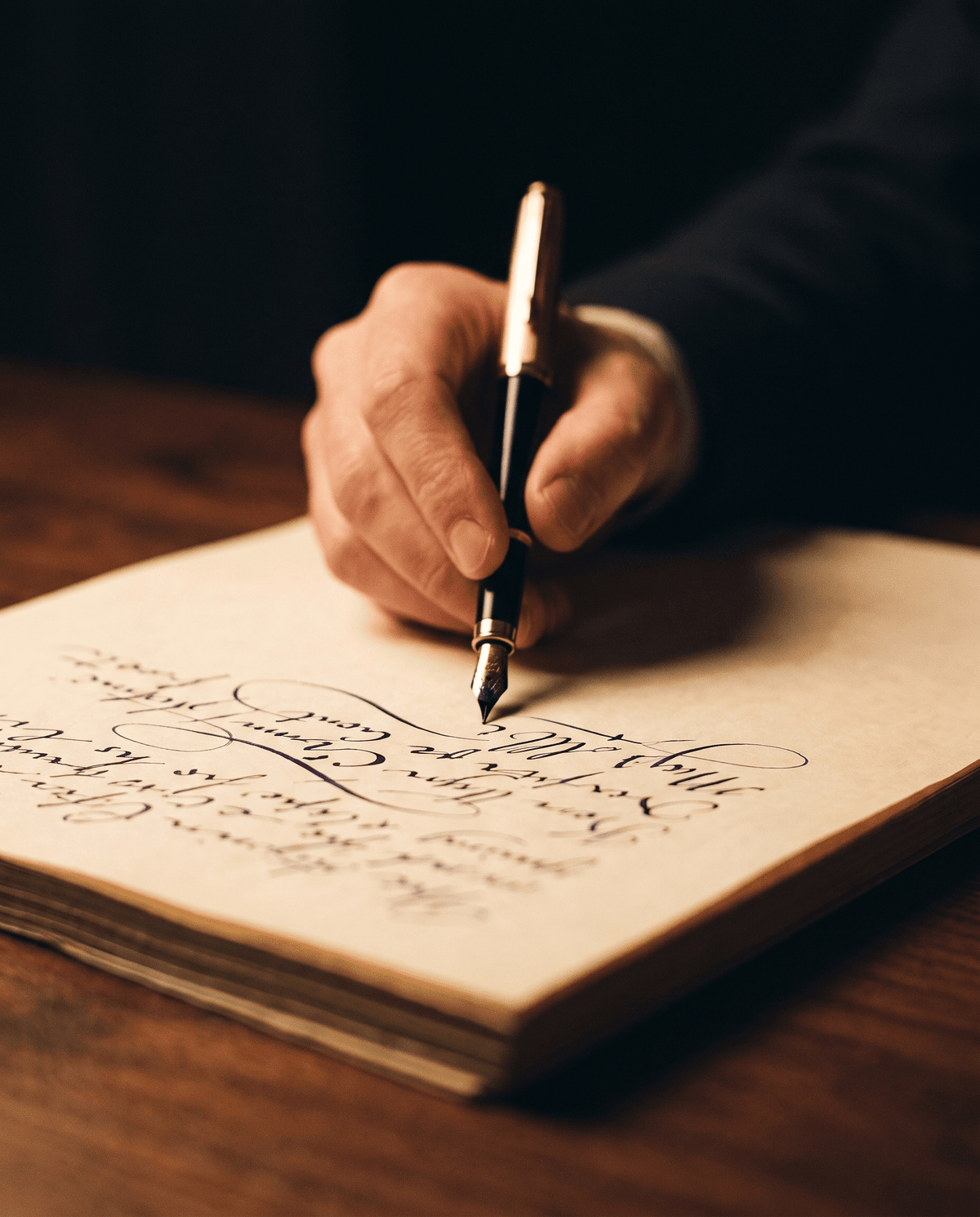
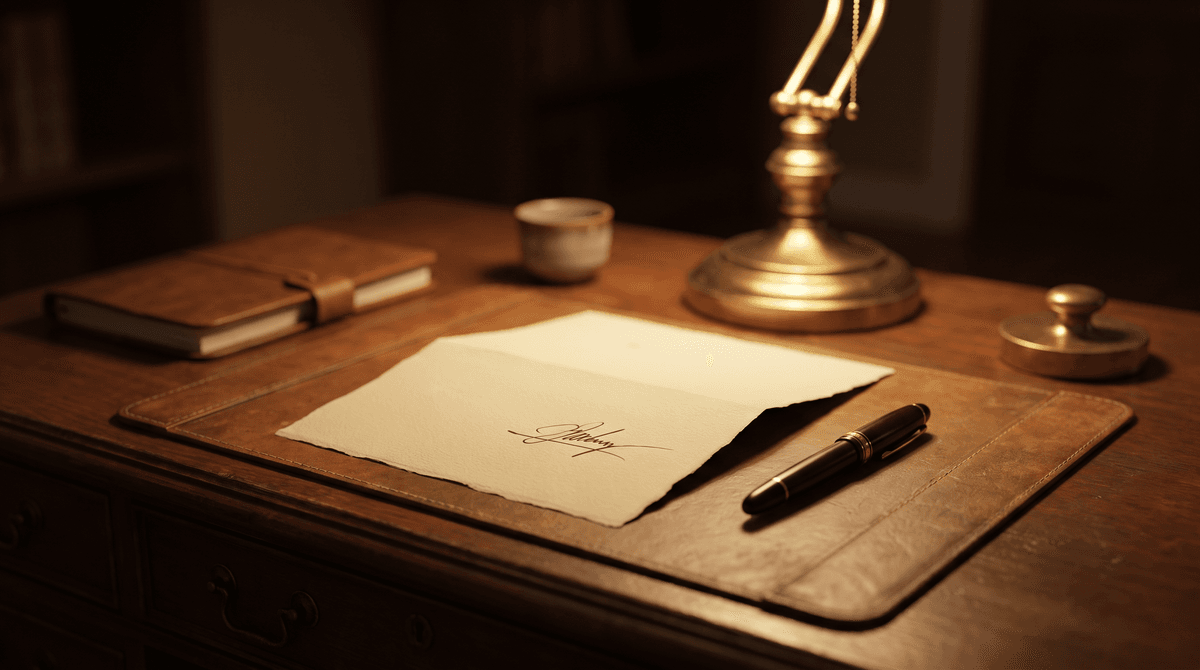
Almost every wedding album has the same picture: the couple leaning over a table, signing. It takes a few seconds, yet many people worry about it in advance. Which name do I write? What if my hand shakes? What exactly do the witnesses sign? In many places you sign the marriage record with the name you have now, because at that moment it's still your legal name; any new name takes effect with the marriage. Some places do it differently, so always ask beforehand. This article goes through the signatures around a wedding, from giving notice to the days after the ceremony, and how to prepare so the movement looks confident in the photos too. Designing your new signature after marriage is covered in a separate article; this one is about the day itself and the paperwork around it. It's general information, not legal advice: the exact procedure depends on the country and the office.
How many signatures are there around a wedding?
A wedding isn't a single signature. For most couples these papers come up, roughly in this order. Not all of them apply to everyone.
- Giving notice or applying for a licence. Weeks or months before the wedding. Depending on the country, you may state your intended names and sign a declaration or application.
- A prenuptial agreement, if you make one. Before the wedding, in your current names. More on this below.
- The marriage record. The register, schedule, certificate or licence signed by the couple, the witnesses and the registrar or officiant.
- A church register, for a religious ceremony. If there's a religious ceremony, there's often a church register to sign as well.
- Supplier contracts. Venue, photographer, band, dress hire. These are usually signed well before the wedding, in your current name.
Of these, only the marriage record is tied closely to the day itself. The rest come before or after, in calmer moments.
Which name, and why it's usually your current one
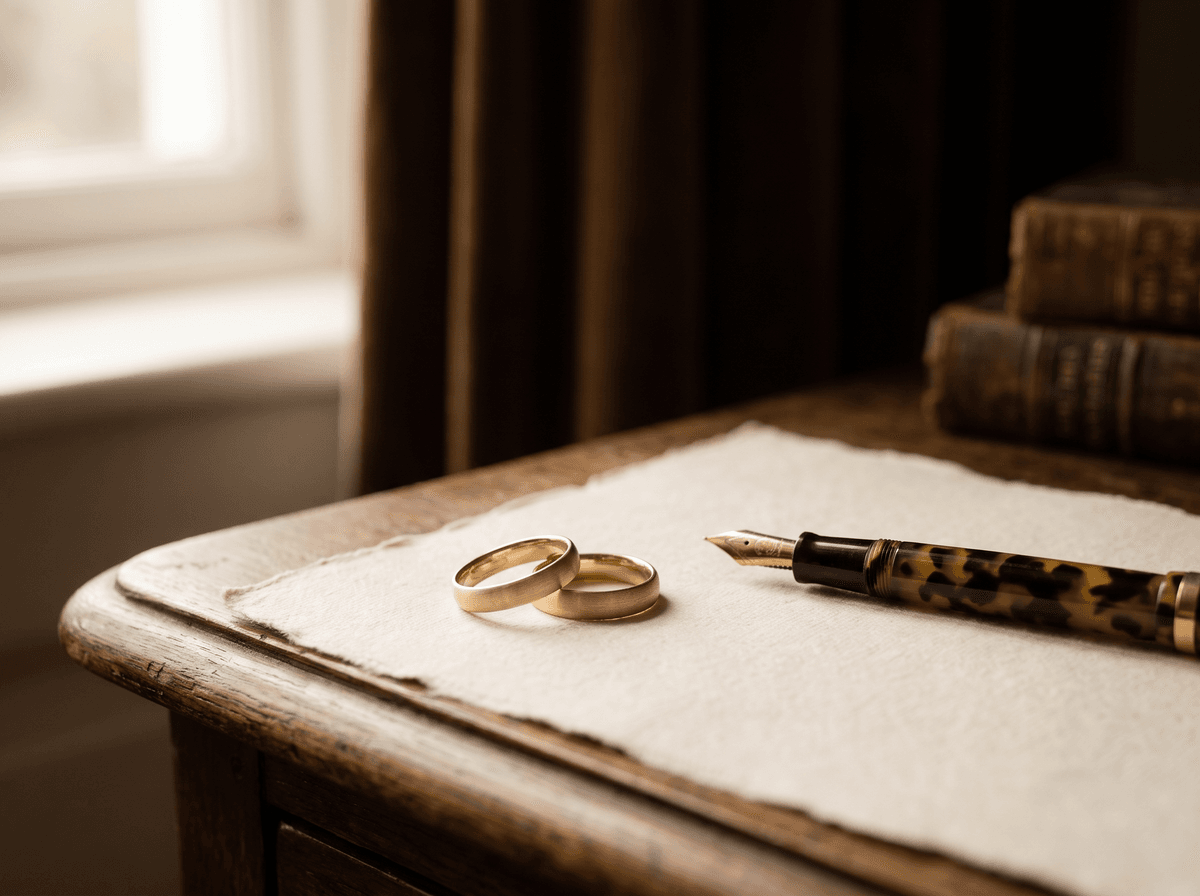
When you sign at the ceremony, the marriage is only just coming into being. That's why, in many places, you sign with your current legal name: your documents show it, and any new name only becomes yours with the marriage. People often put it simply: one last time in the old name.
- If you keep your name. No question at all: you sign your usual signature, now and afterwards.
- If you take a new name. Usually you sign the record in your current name, and your new signature begins with your new documents. Some places do ask for the new name: if so, practise it beforehand.
- If you combine names. The same applies: ask in advance which name they want. Signing a double surname is covered in this article.
At the ceremony, the signature that belongs on the paper is the one the registrar asks for, and it's worth knowing in advance.
Giving notice: the first signature
In many countries you have to give notice of marriage or apply for a licence in advance. You confirm your details, and in some places you also state which names you'll use afterwards. You sign this in your current name, of course.
- 1Think about names in advance. If names are recorded at this stage and you're still unsure, ask whether and how the choice can be changed later.
- 2Check every detail. Before you sign, read the names, dates of birth and spellings letter by letter, accents included. A mistake is easiest to fix here.
- 3Ask how the ceremony works. When, who and where you sign, which name they expect, whether to bring a pen and what the witnesses need.
If you know which name you'll take, this is also a good moment to start trying out your new signature. By the time you apply for new documents it will have settled. The full order of the paperwork is in the name change checklist.
A prenup: before the wedding, in your current name
If you make a prenuptial agreement, you usually sign it before the wedding. Here things are clear: you both sign with your current names, as shown on your documents, using your usual signatures.
- Formal requirements. In many countries a prenup has stricter formal rules than an ordinary contract: it may need a notary, a lawyer's involvement or witnesses.
- Every page counts. If the agreement runs to several pages, you may need to initial each one. Ask, and use the same short form throughout.
- Read it before you sign. Obvious, but worth saying: don't sign it in the rush before the ceremony. What to check before signing any contract is covered in this article.

At the ceremony: signing the register
Signing is part of the ceremony, usually after the vows. The couple, the witnesses and the registrar or officiant sign one after another. The exact order, and whether it's on paper or an electronic pad, is up to the registrar.
- 1Check the details if you can. If the registrar reads out or shows the details, listen for the names and spellings. A mistake is harder to correct later.
- 2Write at your normal pace. It doesn't have to be more beautiful than usual. Your familiar, practised movement is the safest, even when you're nervous.
- 3Don't invent a flourish for the day. A loop or underline you've never practised is the thing most likely to go wrong under pressure. Make your signature the same as on any ordinary day.
- 4If it goes wrong, say so. If your hand slips or you start the wrong name, don't patch it. Tell the registrar; they know what to do.

In some places you now sign on an electronic pad. That can feel strange: the stylus slides and the line looks slightly different. If you've signed one at a government office you'll know what to expect; if not, we've collected the essentials in this article.
A religious ceremony: one more signature
If there's a religious ceremony, the church or religious community often keeps its own register, which you sign as well. In some countries the civil and religious marriage are separate events; in others a religious ceremony can also be the legal one. Which applies to you depends on where you marry.
- Ask the minister or parish office. Who signs, whether witnesses are needed, and which name they expect.
- If the civil wedding has already happened. Your new name may already be legal while your documents still show the old one. Ask which they want.
- Bring the documents they need. Some communities ask for proof of the civil marriage. Find out exactly what beforehand.
The witnesses: what they bring and what they sign
With their signatures, witnesses confirm that they were present and that the marriage took place in front of them. How many you need varies: in many countries it's two adults, in some one, and a few places need none at all.
- Valid identification, where required. Some offices record the witnesses' details and ask for ID. Send them a reminder the day before.
- Their own usual signature. A witness signs in their legal name with their normal signature. The wedding isn't the day to try out a new one.
- Legible details. If a witness has to write their name or address, it should be readable. Signing as a witness in general is covered in a separate article.

The photo moment: pen, posture, nerves
The signing is one of the classic wedding photos. A few simple things help the picture look good and keep you calm.
- Ask about the pen. The office usually provides one. If you'd like to use your own, ask whether that's allowed, and choose one that definitely writes and doesn't smudge.
- Think about your outfit. A long sleeve, a lace cuff or gloves can catch on the paper. Push the sleeve back or take the gloves off before signing.
- A new ring on your hand. If you write with the hand that now wears the ring, the first time may feel unusual. It won't get in the way; just be ready for it.
- Standing or sitting. You often sign at a table, half standing. Step close, rest your elbow lightly on the table and don't lean too far over.
- For left-handers. If you write with your left hand, mention it beforehand so the seating and the photographer are ready and you don't have to reach across your partner. More tips in the left-handed signature article.
- Take a breath. Before the pen touches the paper, one calm breath out. Your hand knows what to do.
If they do ask for the new name
In some places you're asked to sign the record with your new name. Then the most important thing is that it isn't the first time you write it. Start practising at least two or three weeks before, and on the day it will come by itself.
- 1Design it in good time. Decide what stays from your old signature and how the new name goes in. A new signature after marriage walks you through it.
- 2Practise in short sessions. Five minutes a day beats one long afternoon. The practice guide includes a plan broken down by day.
- 3Rehearse the real situation. Sign standing, leaning over a table, with an unfamiliar pen. That's how it will be at the ceremony.
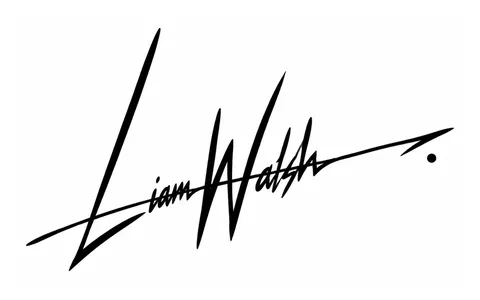
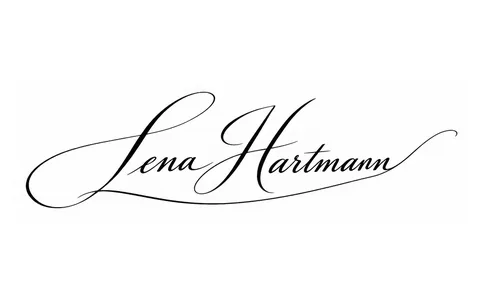
If you'd like to see what your new name could look like as a signature, in Calligra you can try more than 30 styles with your new name and it teaches the one you pick letter by letter. Try it with your name.
After the wedding: the first days
In the days after the wedding, the marriage certificate arrives and the paperwork begins. Many people aren't sure which name to sign with. The simple rule: the signature that belongs on a paper is the one for the name on that paper and on your ID.
- While your old documents are still in use. Where you're identified, such as at the bank or collecting a parcel, you'll often still need the old name and signature, because that's what your ID shows.
- On your new documents. Here you give your new signature. It becomes the new specimen.
- Thank-you cards and invitations. These aren't official papers, so the choice is yours. How to sign them as a couple is in a separate article.
The order for ID, bank, employer and the rest is set out step by step in the name change checklist.
The one sentence worth taking away
At the wedding you usually still sign with your current name, because at that moment it's your legal name, but ask the registrar beforehand, and on the day write your familiar, practised signature rather than a new one.
Questions
Do I sign the marriage register with my maiden name or my new name?
In many places with your maiden name, meaning your current legal name, because any new name takes effect with the marriage. Some places do it differently, so ask the registrar or officiant in advance, ideally when you give notice.
Who signs the marriage record?
Usually the couple, the witnesses and the registrar or officiant. How many witnesses are needed varies by country; two adults is common. The exact order and whether it's on paper or a pad is up to the office.
What do the witnesses need to bring?
Where the office records their details, valid identification. They sign in their legal name with their usual signature. Check the requirements with the registrar and pass them on.
Which name do I use to sign a prenup?
A prenup is usually signed before the wedding, so you sign with your current legal name and your usual signature. A notary or lawyer can tell you about the formal requirements where you live.
What if I make a mistake signing at the ceremony?
Don't patch it; tell the registrar, who will know what to do. The best protection against nerves is to write your usual signature and not invent a new flourish for the day.
Can we bring our own pen for the signing?
Often yes, but ask first. If you sign on an electronic pad, you'll use the office's stylus. If you bring a pen, choose one that definitely writes and doesn't smudge.
Try it with your own name

Read these too
Knowledge Name change
 after marriage: the complete checklist, in order
ID documents, bank, employer, healthcare, utilities, subscriptions and online accounts: what to update, in what order and with which papers when you take a new name after marriage. Your signature is on the list too, and we show where it fits.
 Name change
The Hungarian “-né” married name and your signature: what to write if you became Kovácsné
Kovács Jánosné, Kovács Jánosné Nagy Éva or Kovácsné Nagy Éva: “-né” names are longer, have a different rhythm and end with an accent. Here's what to put in your signature, what you can shorten, and how to make it one quick, consistent movement.
 Name change
Taking back your maiden name: a new signature after divorce
If you return to your birth name after a divorce, your signature changes too. There are two ways to go: bring back your old form, or design a completely new one. Here are both, calmly, step by step.