Knowledge › Practical
Practical
A new signature after marriage: how to sign your new name
A new name, the same hand. Here's what to keep from your old signature, what to change, when you still sign your old name, and how to have the new form in your hand by the time your new documents arrive.
One of the first small surprises after the wedding often comes at a counter: someone slides a form across, and your hand starts writing your old name on its own. You've repeated the same movement for years, and suddenly it needs different letters. That's completely natural, and you don't have to start from scratch. A good signature after marriage isn't a strange new mark; it's your old signature carried on with the new name: the same hand, the same pace, different letters. In this article we go through what to keep and what to change, how to handle a new name that starts with a different letter, when you still sign with your old name, and a simple timeline so the new signature is in your hand by the time your new documents are ready. We covered the official paperwork in changing your signature; here the subject is the signature itself. This isn't legal advice: what's accepted where is always decided by the institution concerned.
Why is this different from simply changing your signature?
If you only want to change the form, you decide when and how. With a name change after marriage, the name itself changes, and that brings three things with it.
- Different letters. The new surname can be a different length, start with a different capital and have a different rhythm. What flowed nicely with the old name may catch with the new one.
- Fixed moments. New documents, the bank, work: each is a moment when your new signature becomes a specimen. It helps if it's consistent by then.
- Emotional weight. For many people the old name is a piece of themselves. You don't have to throw it away: a lot of it can stay in the signature.
The good news is that your hand doesn't forget everything. The slant, the pace, the shape of your capitals and the ending all stay yours, whatever name you sign. That's what you build on.

On the wedding day: which name do you sign?
Many people ask whether to sign with their new name at the wedding. There's no single answer: in many places you sign the marriage paperwork with your current name, while elsewhere you're asked for the new one, because the choice of name is made right there at the ceremony. So it's worth asking the registrar or the office conducting the ceremony in advance, and if the new name is needed, having it practised by then.
In the days after the wedding you may still need to sign something with your old name, because your documents still show it. That's fine. What matters is that your signature always matches the name on that particular paper.
What to keep from your old signature
Before you change anything, write your old signature ten times and look at what you like about it. Those are the elements worth carrying over to the new name.
- 1The shape of your first name. If your first name is in your signature, it doesn't change. That's the strongest link between the old signature and the new one.
- 2Slant and pace. If your old signature leans briskly to the right, let the new one lean the same way. Your hand already knows this; you don't have to relearn it.
- 3The ending. An underline, a trailing line or a small loop at the end suits the new name just as well. We covered endings in detail in the article on endings.
- 4One distinctive feature. A special loop, an unusual connection, a curve: if something is uniquely yours, take it with you.
What changes is the run of letters in the surname, and often its capital. That's what needs deliberate design; the rest you simply carry over.

Three ways to bring in the new name
There are roughly three ways to build the new name into your signature. Each can work; the question is how much of the old one you want to keep.
- Old form, new name. The style, capitals and ending of your old signature stay; only the surname is swapped. This is the quickest to learn, because most of the movements are already in your hand.
- Same start, new continuation. If your signature starts with your first name, the beginning stays the same and you only redesign the end with the new surname. Many people choose this, because the most distinctive part of the signature stays unchanged.
- A completely new signature. If you never liked your old signature, this is the best moment for a new one. Give the design some time and start practising earlier.
If you're looking for a completely new form, the style quiz suggests a style from eight questions and shows your new name in it at the end.
A new name, but the same hand: the best signature after marriage carries the old one on.
If the new name starts with a different letter
The biggest change comes when your signature started with your surname and the new surname begins with a different capital. Then the “face” of your signature changes, and it's worth designing that deliberately.
- Keep the style of the capital. If your old capital was tall and looped, make the new one tall and looped too. A different letter, the same character.
- Practise the capital on its own. The new first letter is what your hand doesn't know yet. Write it thirty times on its own before trying the whole name.
- Or start with your first name. If the new capital just won't sit right in your hand, you can change the order: the first-name capital leads and the surname follows.
If the new surname starts with the same letter as the old one, you're in luck: the capital can stay, and little more than the second half of the name changes. How to design a capital step by step is in the article on capitals.
Double names, combined forms, a shared name
Not everyone replaces their surname completely. Many keep their own alongside their spouse's, and some countries have traditional combined forms, such as the Hungarian “-né”. Each gives the signature a different task.
- A double surname. Two names, a hyphen, two capitals: the question is which name carries the character. We wrote a separate article on it: double-barrelled and hyphenated surnames in signatures.
- A combined traditional form. Longer names with a different rhythm work best when one prominent capital leads and the rest follows as a short, flowing continuation.
- If you both change your name. Then there are two signatures with the same surname. It helps if they differ in style, so they stay easy to tell apart.
If your first names raise questions too, for instance you have a middle name or go by a nickname, the article on middle names and nicknames helps you decide what goes into your signature.
A timeline: from before the wedding to your new documents
The most awkward situation is writing your new signature for the very first time at the passport office or the bank. That's why it pays to start well ahead. This is a starting point; adjust it to your own timing.
- 1Three to four weeks before the wedding: try things out. Write your new name in a few variations and pick the one that comes most naturally. Don't decide straight away: look again a few days later.
- 2Two weeks before: a few minutes a day. Five minutes of practice a day with the new form. Short, focused sessions beat one long afternoon.
- 3On the wedding day: the name the office asks for. Some places want your current name, some already want the new one. Ask in advance, and if it's the new one, have it practised by then.
- 4After the wedding: new documents. By the time you apply for and collect your new documents, the new signature should be consistent, because from then on it's the specimen.
- 5Then: the bank, work, everything else. Wherever a specimen signature is kept for you, ask whether you need to give a new one. The full list and steps are in changing your signature.
The in-between weeks
In the weeks after the wedding your hand will slip back into the old name now and then. That's not failure; it's the power of habit. A few things help a lot.
- Slow down at the first letter. Most slips happen with the very first movement. If you start the first letter deliberately, the rest follows.
- Don't patch it. If you did start writing the old name, don't touch it up. Ask for a fresh form or cross it out properly, and write it again.
- The same everywhere. Don't keep one signature for the bank and another for parcels. If you sign in tight spaces, a shorter form helps; see the article on short forms.
Emily Carter became Emily Hughes after her wedding. Her old signature started with a big looped “C”, and she loved it. In the first week she kept catching herself starting with “C” at the counter. In the end she kept the looped style of the capital, swapped it for an “H”, and wrote it thirty times on its own every morning over coffee. By the end of the second week her hand started with the “H” on its own, and the ending, her old little trailing line, stayed just as it had always been.

Common mistakes and how to fix them
Problems with a signature after marriage mostly come from a handful of recurring mistakes.
- Starting too late. You write it for the first time on your new ID. Fix: start practising before the wedding.
- Throwing away everything old. A completely unfamiliar form your hand doesn't know. Fix: keep the slant, pace and ending, and redesign only the surname.
- Two signatures mixing. At the counter, sometimes the old name starts, sometimes the new one. Fix: slow down at the first letter and practise the new capital on its own.
- Different on every paper. One form at the bank, another at work. Fix: one new signature everywhere, with a shorter version for tight spaces if needed.
- Telling nobody. The bank still holds the old specimen. Fix: wherever a specimen signature is kept, ask whether you need to give a new one.

The one sentence worth taking away
After marriage, don't start from scratch: keep the slant, pace and ending, redesign the surname, and start practising early so it's consistent by the time you get your new documents.
Questions
Should I sign with my new name at the wedding?
It varies: in some places you sign the marriage paperwork with your current name, in others you're already asked for the new one. Ask the registrar in advance, and if it's the new name, have it practised by then.
When should I start practising my new signature?
It helps to start trying things out three to four weeks before the wedding and practise a few minutes a day from two weeks before. That way the form is in your hand by the time you collect your new documents.
Do I have to come up with a completely new signature?
No. For most people the easiest route is to keep the style, slant and ending of their old signature and redesign only the surname. If you never liked the old one, of course, it's a good moment for a completely new one.
What if my new surname starts with a different letter?
Keep the style of your old capital and practise the new letter on its own, thirty times in a row. If it just won't sit right, you can start your signature with your first name instead.
Do I need to tell my bank about my new signature?
If your bank keeps a specimen signature for you, it's worth asking whether you need to give a new one. You'll usually need to contact them about the name change anyway, so you can ask then. Changing your signature describes the steps.
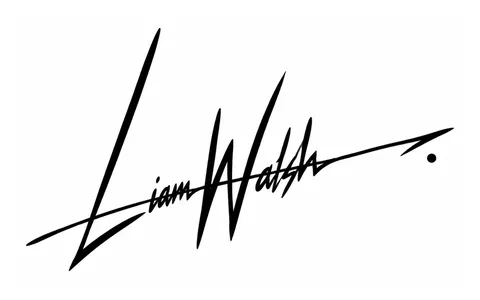
Try it with your own name

Read these too
Knowledge Practical
Changing your signature: when, where and how
You can adopt a new signature at any time, but how you roll it out matters. Here's where your signature is on file, what to ask, and how to get through the awkward first weeks.
 Practical
Signing on screens: tablets, phones, terminals
At the door with a courier, at the bank, at a café counter: more and more often we sign on glass with a finger or stylus. Here's how to keep your signature recognisable and good-looking there too.
 Practical
Signing PDFs and e-documents: what to watch for
Print, sign and scan? Paste in an image? Or are they asking for an e-signature? Here are your options, how to make a clean signature image, and how to keep your digital signature safe.